Clean doesn’t always mean disinfected. While regular cleaning removes visible dirt, disinfection focuses on reducing germs that aren’t always seen—especially on shared surfaces. For Phoenix businesses, this step plays a key role in keeping employees healthy, minimizing disruptions, and maintaining confidence among clients and visitors.
Disinfection services are now part of many organizations’ routine facility care plans. From offices and schools to healthcare and industrial environments, targeted sanitization helps control the spread of viruses and bacteria while supporting a safer day-to-day workplace.
Understanding the Difference Between Cleaning and Disinfection
Cleaning and disinfection work best together, but they serve different purposes. Cleaning removes dust, spills, and debris from surfaces. Disinfection goes a step further by addressing microorganisms that can linger after routine cleaning.
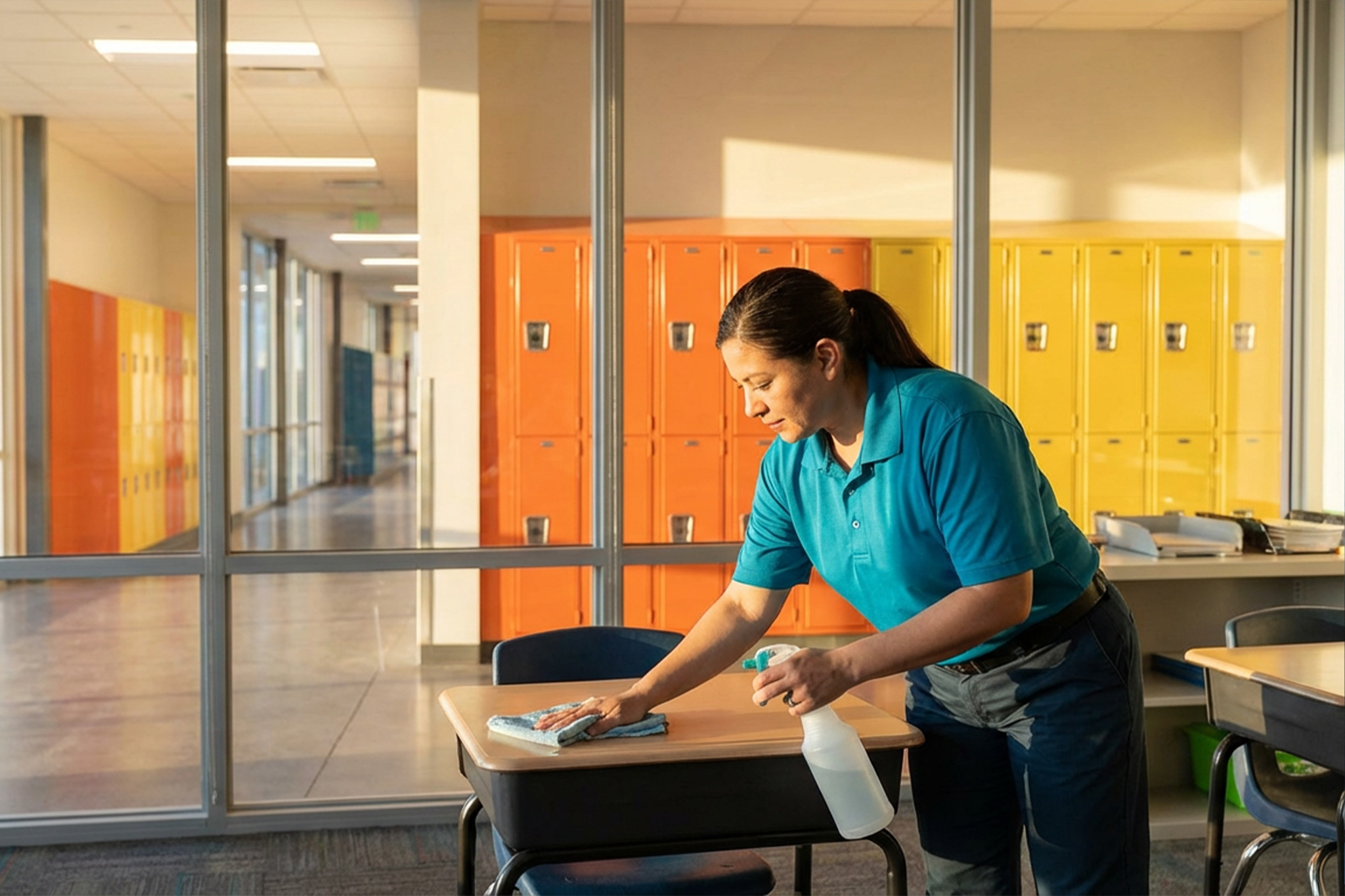
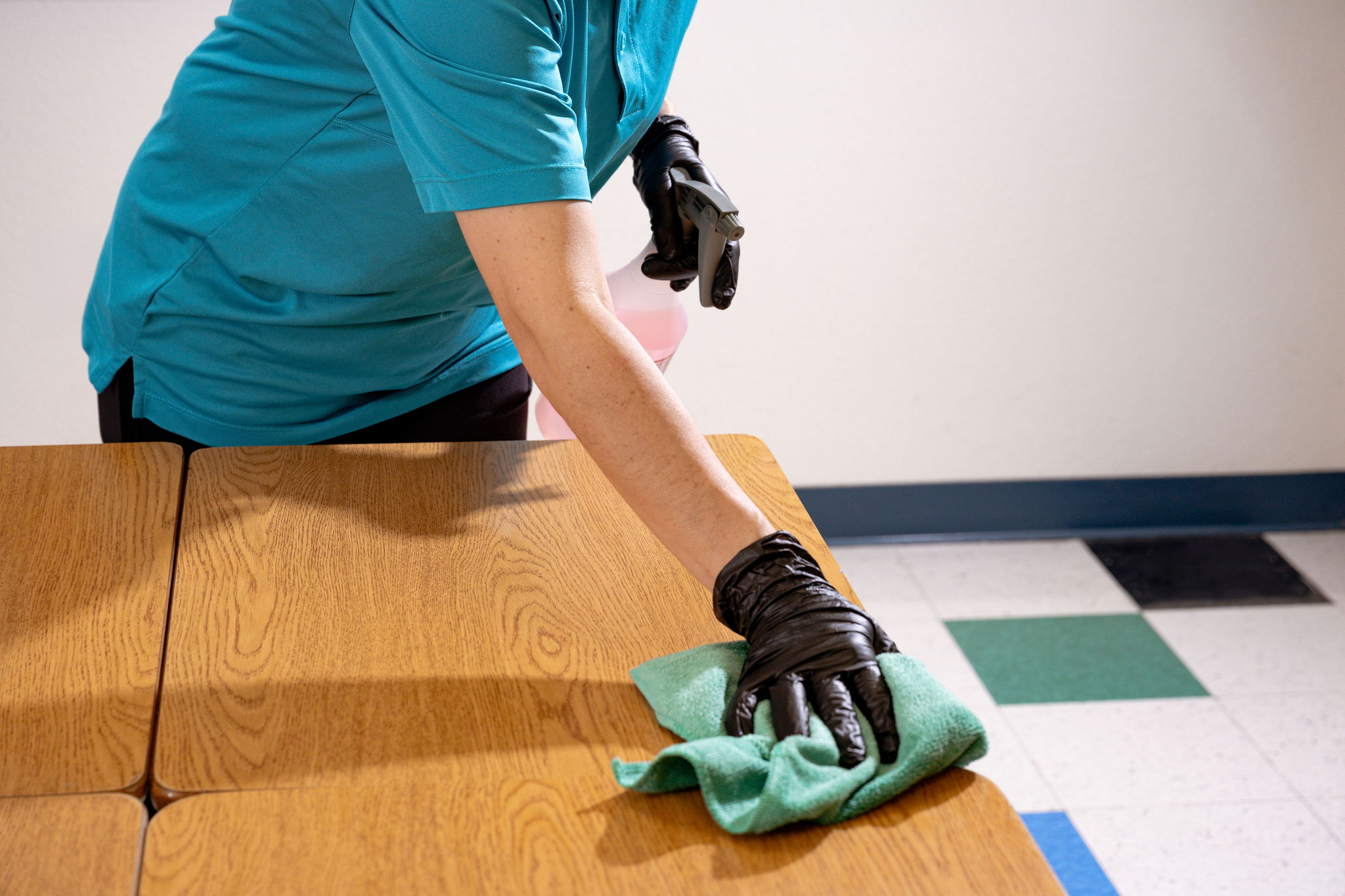
For example, an office may look spotless, but frequently touched areas—like drawer handles, keyboards, or light switches—can still carry germs. Disinfection targets those contact points using approved solutions and application methods designed for commercial settings.
Many Phoenix facilities combine routine cleaning with periodic disinfection as part of their overall commercial janitorial program, ensuring both appearance and hygiene are consistently addressed.
Why Disinfection Matters in Shared Environments
Any space where people gather regularly increases the chance of germ transmission. Offices, schools, restaurants, and medical facilities all share one thing in common: frequent contact with the same surfaces throughout the day.
Effective disinfection helps businesses:
- Reduce the spread of illness among staff
- Support healthier attendance and productivity
- Create reassurance for clients and visitors
- Maintain cleanliness standards during flu season or outbreaks
- Respond quickly after a confirmed illness or exposure
In Phoenix’s fast-moving business environment, minimizing downtime caused by illness is just as important as maintaining a clean appearance.
Common Areas That Benefit Most From Disinfection
Disinfection efforts are most effective when focused on areas with repeated contact. These include:
- Workstations, desks, and conference tables
- Door handles, push plates, and railings
- Breakroom counters, appliances, and shared equipment
- Restroom fixtures and touchpoints
- Elevator buttons and entry systems
Facilities that already maintain structured hygiene routines—like those outlined in our office hygiene guide—often find it easier to integrate disinfection without disrupting daily operations.
Disinfection Methods Used in Commercial Spaces
Different environments call for different approaches. Disinfection isn’t a one-size-fits-all process, and the method chosen depends on the size of the space, surface types, and timing needs.
Manual Surface Treatment
This method focuses on wiping and treating specific touchpoints using approved disinfectants. It’s effective for targeted areas and works well alongside routine cleaning.
Electrostatic Application
In larger or high-traffic spaces, electrostatic systems evenly coat surfaces, including hard-to-reach areas. This technique is often used in offices, schools, and healthcare settings after exposure concerns.
Fogging and Misting
Fogging disperses disinfectant as a fine mist, helping cover wide areas efficiently. While not a replacement for cleaning, it can be useful as part of a broader sanitization plan.
Disinfection is often paired with deep cleaning services when facilities need more intensive attention after illness outbreaks or extended closures.
When Should Businesses Schedule Disinfection?
Some organizations schedule disinfection regularly, while others use it on an as-needed basis. Common situations include:
- Seasonal illness spikes
- After confirmed sickness in the workplace
- Following large events or high-traffic days
- Before reopening after downtime or renovations
- In healthcare or education environments with higher exposure risk
Facilities that manage complex operations—such as manufacturing or distribution—often align disinfection with broader safety practices discussed in our industrial cleaning overview.
Disinfection and Indoor Air Quality
Surface hygiene is only part of the picture. Air quality plays a role in overall wellness, especially in enclosed spaces. While disinfection focuses on surfaces, combining it with proper ventilation, dust control, and floor care helps maintain healthier indoor conditions.
For example, pairing sanitization with regular carpet maintenance can reduce allergens and particles that circulate through the air. Our carpet care guide explains how fabric surfaces can impact workplace hygiene over time.
Safety and Responsible Use of Disinfectants
Using disinfectants correctly is just as important as using them at all. Overuse or improper application can lead to surface damage or discomfort for occupants.
Professional disinfection programs prioritize:
- EPA-registered products approved for commercial use
- Proper dwell times to ensure effectiveness
- Application methods suited to the space
- Clear communication with facility managers
These principles align closely with sustainable practices highlighted in our green cleaning blog, which explores ways to balance hygiene and environmental responsibility.
How Disinfection Fits Into a Broader Cleaning Strategy
Disinfection works best when it’s part of a complete facility care plan. It doesn’t replace daily cleaning, but it strengthens it—especially in environments with high interaction.
Many Phoenix businesses integrate disinfection with:
- Routine office cleaning schedules
- Restroom sanitation programs
- Floor and surface maintenance
- Emergency response cleaning when unexpected situations arise
This layered approach ensures consistency and avoids gaps in hygiene coverage.
Choosing a Disinfection Partner in Phoenix
When selecting support for disinfection services, businesses should look for a provider that understands how sanitization fits into real-world operations—not just theoretical protocols.
Key considerations include:
- Experience in commercial environments
- Knowledge of proper application techniques
- Ability to coordinate with existing cleaning schedules
- Clear communication and documentation
Oranje supports Phoenix-area organizations by integrating disinfection into broader cleaning services, including office cleaning solutions and facility-wide maintenance programs.
Final Thoughts
Disinfection services help Phoenix businesses move beyond surface-level cleaning. By reducing germs, supporting healthier environments, and reinforcing employee confidence, sanitization plays an important role in modern facility care.
Whether used routinely or in response to specific needs, disinfection works best when paired with consistent cleaning practices and thoughtful planning.
If your organization is reviewing its hygiene standards or looking to strengthen its approach, Oranje can help support a cleaner, safer workplace—without disrupting daily operations.

Joshua Woodworth is the CEO of Oranje Commercial Janitorial in Phoenix, AZ, bringing over 15 years of experience in facilities management with a focus on large custodial operations in government, Class-A, multi-tenant, multi-site, and K-12/higher education settings. A graduate of the University of Wisconsin-Platteville, he has overseen multi-million-dollar accounts and managed sites exceeding 10 million square feet, including athletic, academic, administrative, research, and residential facilities. Known for his expertise in custodial transitions and relationship management, he places a strong emphasis on developing long-term partnerships, which is reflected in his daily approach to work. Outside of work, Joshua enjoys volunteering in youth sports, traveling with his family, and exploring new ways to elevate the cleaning industry.